
How to Stop Recovery Agent Harassment in India:
Legal Help for Borrowers Facing Debt Pressure
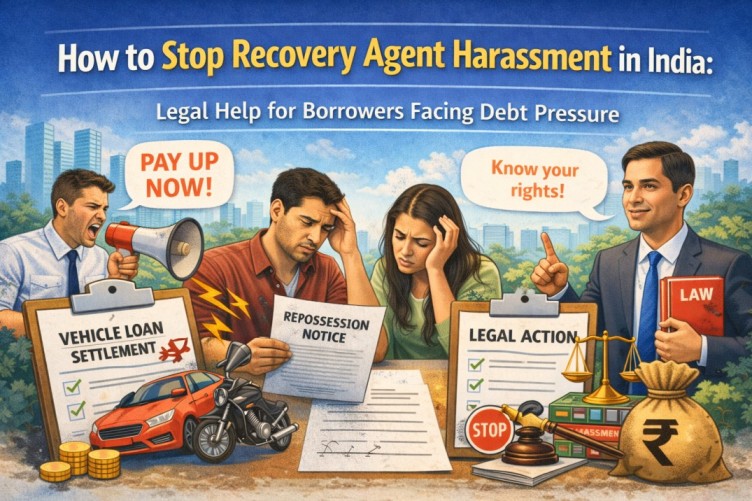
Financial stress can be overwhelming, especially when someone is struggling to repay loans or credit card dues. Unfortunately, in many cases borrowers also face constant phone calls, threats, and harassment from recovery agents. These situations can cause serious emotional distress for individuals and their families.
If you are experiencing repeated calls, abusive language, or intimidation from debt recovery agents, it is important to know that borrowers have legal rights. Banks and financial institutions must follow strict recovery guidelines, and harassment is not permitted.
This article explains how to stop recovery agent harassment in India, what your rights are, and what steps you can take to protect yourself legally.
Understanding Debt Recovery Harassment
When a borrower misses EMI payments for loans such as credit cards, personal loans, or vehicle loans, lenders may start contacting the borrower to recover the outstanding amount. While banks have the right to recover legitimate dues, the recovery process must follow legal and ethical practices.
Harassment may occur when recovery agents:
- Call repeatedly throughout the day
- Use abusive or threatening language
- Contact family members or colleagues unnecessarily
- Visit the borrower’s home without proper conduct
- Pressure the borrower through intimidation
- Call repeatedly throughout the day
The lender may agree to accept a reduced lump-sum amount to close the account.
Borrower Protection Under RBI Guidelines
Banks and financial institutions operating in India are regulated by the Reserve Bank of India. The RBI has issued guidelines to ensure that loan recovery is conducted in a fair and respectful manner.
Harassment may occur when recovery agents:
- Maintain professional behavior during communication
- Avoid harassment, threats, or intimidation
- Respect borrower privacy
- Contact borrowers only at reasonable times
- Identify themselves clearly while communicating
If these guidelines are violated, borrowers have the right to file complaints with the bank or appropriate authorities.
Common Signs of Recovery Agent Harassment
Borrowers often wonder whether the calls they are receiving are normal recovery communication or harassment. Some common signs of harassment include:
1. Excessive Calls
Receiving dozens of calls every day from different numbers can be considered harassment, especially when it disrupts normal life.
2. Abusive or Threatening Language
Recovery agents are not allowed to threaten borrowers with arrest, legal action, or public humiliation.
3. Contacting Family Members
Recovery agents sometimes contact relatives or friends to pressure the borrower. This can be considered a violation of privacy.
4. Public Shaming or Intimidation
Any attempt to publicly shame a borrower or pressure them through intimidation is unacceptable.
Recognizing these behaviors is the first step toward protecting yourself.
Why Recovery Harassment Happens?
Debt recovery harassment often occurs due to aggressive recovery practices adopted by some lenders or third-party collection agencies. These agencies may prioritize quick recovery and sometimes ignore proper guidelines.
In many cases, borrowers feel helpless because they are unaware of their rights or do not know how to respond to such behavior.
However, the law does provide mechanisms to protect borrowers from harassment.
Steps You Can Take to Stop Recovery Harassment
If you are facing harassment from recovery agents, there are several practical steps you can take to handle the situation.
1. Stay Calm and Avoid Confrontation
While the situation may be stressful, it is important to remain calm during conversations. Avoid arguments or aggressive responses.
2. Document the Calls
Keep records of:
- Phone numbers used by recovery agents
- Dates and times of calls
- Messages or threats received
This documentation can be useful if you need to file a complaint.
3. Ask for Identification
Recovery agents must identify themselves and mention the bank or financial institution they represent.
4. Communicate Your Financial Situation
If you are facing genuine financial hardship, inform the lender about your situation and explore possible repayment solutions.
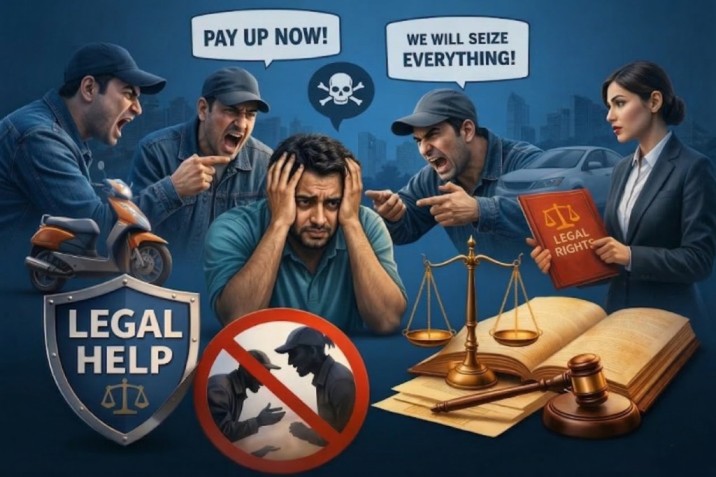
Legal Support Against Harassment
Sometimes borrowers need professional assistance to stop harassment and deal with lenders effectively.
Legal intervention can help in several ways:
1. Legal Notices to Harassing Agents
Lawyers can issue formal legal notices to lenders or recovery agencies demanding that harassment stop immediately.
2. Protecting Borrower Rights
Legal professionals can explain borrower rights under banking regulations and ensure lenders follow proper procedures.
3. Negotiating With Lenders
In some cases, legal advisors can help negotiate repayment plans or settlement options with lenders.
Professional guidance often helps borrowers regain control of the situation.
How Call Forwarding Services Help Borrowers?
One approach used by legal support services is call forwarding.
In this system, recovery calls can be directed to legal representatives instead of reaching the borrower directly.
This can provide relief by:
- Reducing stress caused by constant calls
- Ensuring that communication remains professional
- Allowing legal experts to handle recovery discussions
For many borrowers, this approach helps restore peace of mind while the financial issue is being resolved.
24/7 Legal Support for Borrowers
Financial crises do not follow a schedule. Borrowers often receive recovery calls early in the morning or late at night, which can disrupt daily life.
Access to legal support ensures that borrowers can get help when they need it. Legal professionals can guide borrowers through:
- Responding to recovery calls
- Understanding legal rights
- Preparing responses to notices
- Communicating with lenders properly
For many borrowers, this approach helps restore peace of mind while the financial issue is being resolved.
Loan Settlement as a Possible Solution
In many cases, borrowers facing harassment are also struggling financially and may not be able to repay the entire loan amount.
In such situations, loan settlement may be an option.
Loan settlement involves negotiating with the lender to close the loan by paying a reduced amount. While settlement may affect the borrower’s credit record temporarily, it can help resolve long-pending debts.
Borrowers should carefully evaluate settlement options before making a decision.
The Emotional Impact of Debt Harassment
Debt-related stress can affect not only financial well-being but also mental health. Continuous calls, pressure, and threats can lead to anxiety and emotional distress.
Borrowers often feel embarrassed or isolated, especially when recovery agents involve family members.
It is important to remember that financial difficulties can happen to anyone, and seeking help is a responsible step toward resolving the issue.
When Should You Seek Legal Assistance?
Borrowers should consider legal help if:
- Recovery agents are threatening or abusive
- Calls are happening excessively throughout the day
- Family members are being contacted unnecessarily
- Recovery agents visit the home in an intimidating manner
- The borrower feels overwhelmed or unsure how to respond
Legal support can help ensure that communication with lenders remains respectful and lawful.
Support for Borrowers Facing Harassment
Platforms like Settle Loan Legally aim to help individuals facing loan repayment challenges and recovery pressure. Services may include:
- Legal intervention to stop harassment calls
- Call forwarding services to reduce stress
- Legal notices to recovery agents who violate guidelines
- Assistance in communicating with lenders
These services focus on protecting borrower rights while working toward practical solutions for resolving financial disputes.
Final Thoughts
Debt recovery is a legitimate process, but harassment and intimidation are not acceptable methods. Borrowers have rights, and lenders must follow fair practices while recovering loans.
If you are experiencing harassment from recovery agents, remember that you are not alone. Understanding your rights, documenting communication, and seeking legal assistance can help you regain control of the situation.
Taking proactive steps can protect your dignity and help you find a path toward resolving your financial challenges.
India’s trusted loan settlement service. We help families break free from debt stress through legal and ethical means.
Contact Us
- +91 75250 96501
- ask@settleloanlegally.com
- Mon - Sat 10AM - 6PM
© 2026 Settle Loan Legally | All rights reserved